
Author: Samuel Woodall
-
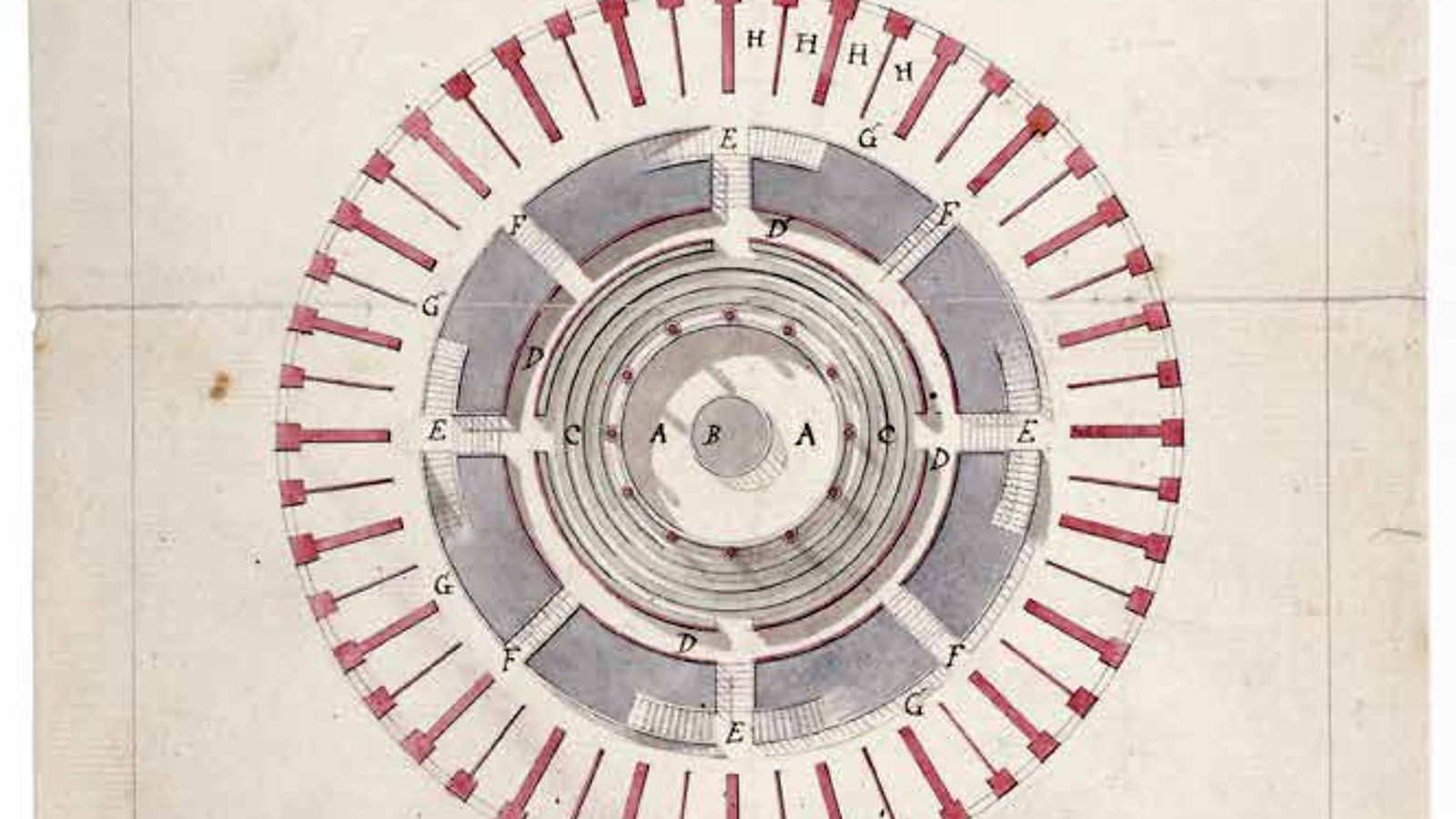
Michel Foucault: Power, Knowledge and the Practice of History
Explore Michel Foucault’s archaeology, genealogy and power/knowledge, from the medical gaze and Panopticon to the practice of intellectual history.
-
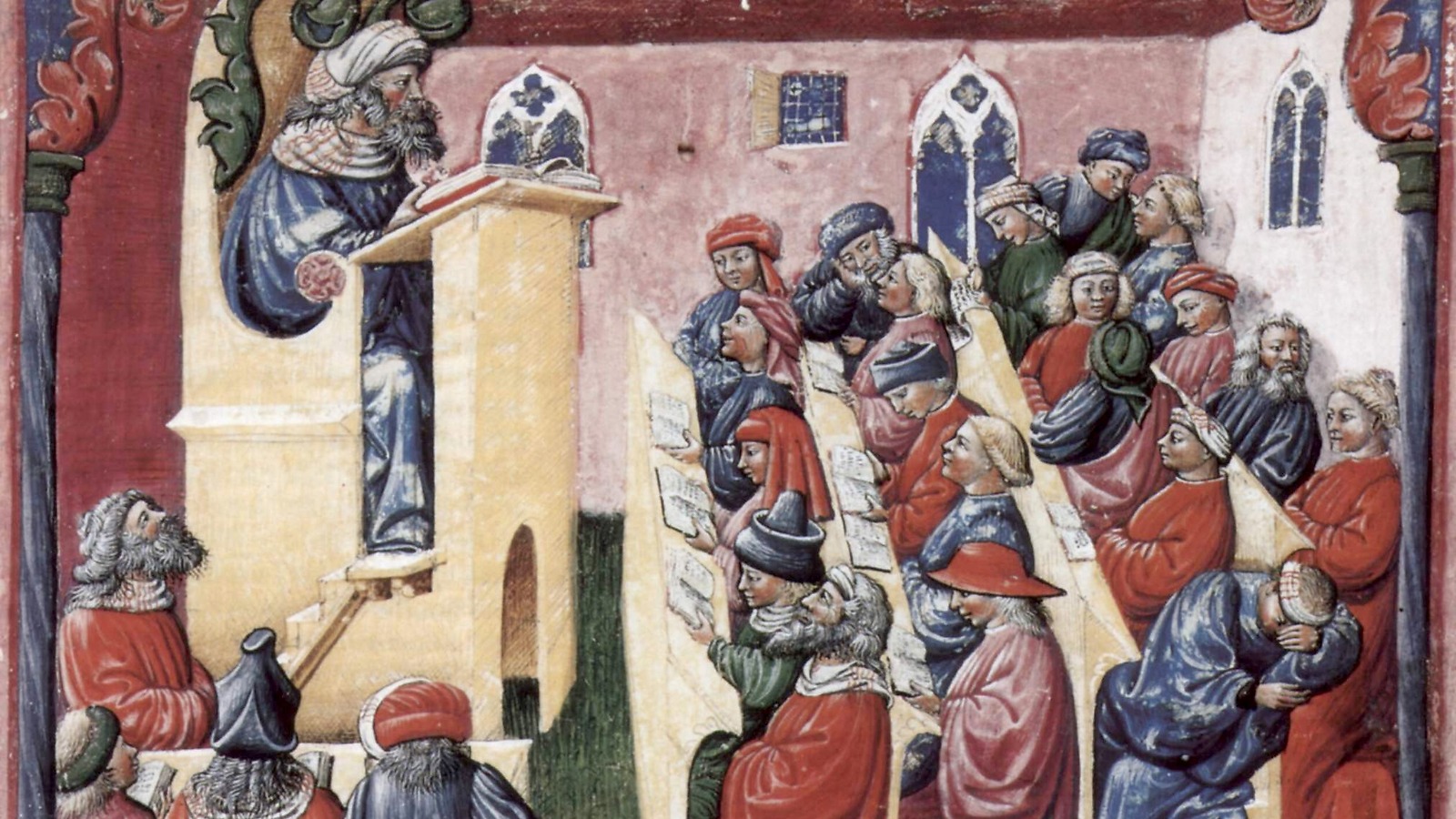
Rethinking the Middle Ages: Faith, Learning and Intellectual Change
The Middle Ages were not an intellectual void between Rome and the Renaissance. This essay explores how universities, scholasticism, religious controversy, humanism, printing and cross-cultural exchange transformed inherited traditions and helped shape early modern Europe.
-

Stefan Collini: Intellectual History, Public Argument and the University
Stefan Collini on intellectual history, public argument and universities, with reflections from Samuel Woodall’s St Andrews masterclass in 2022.
-
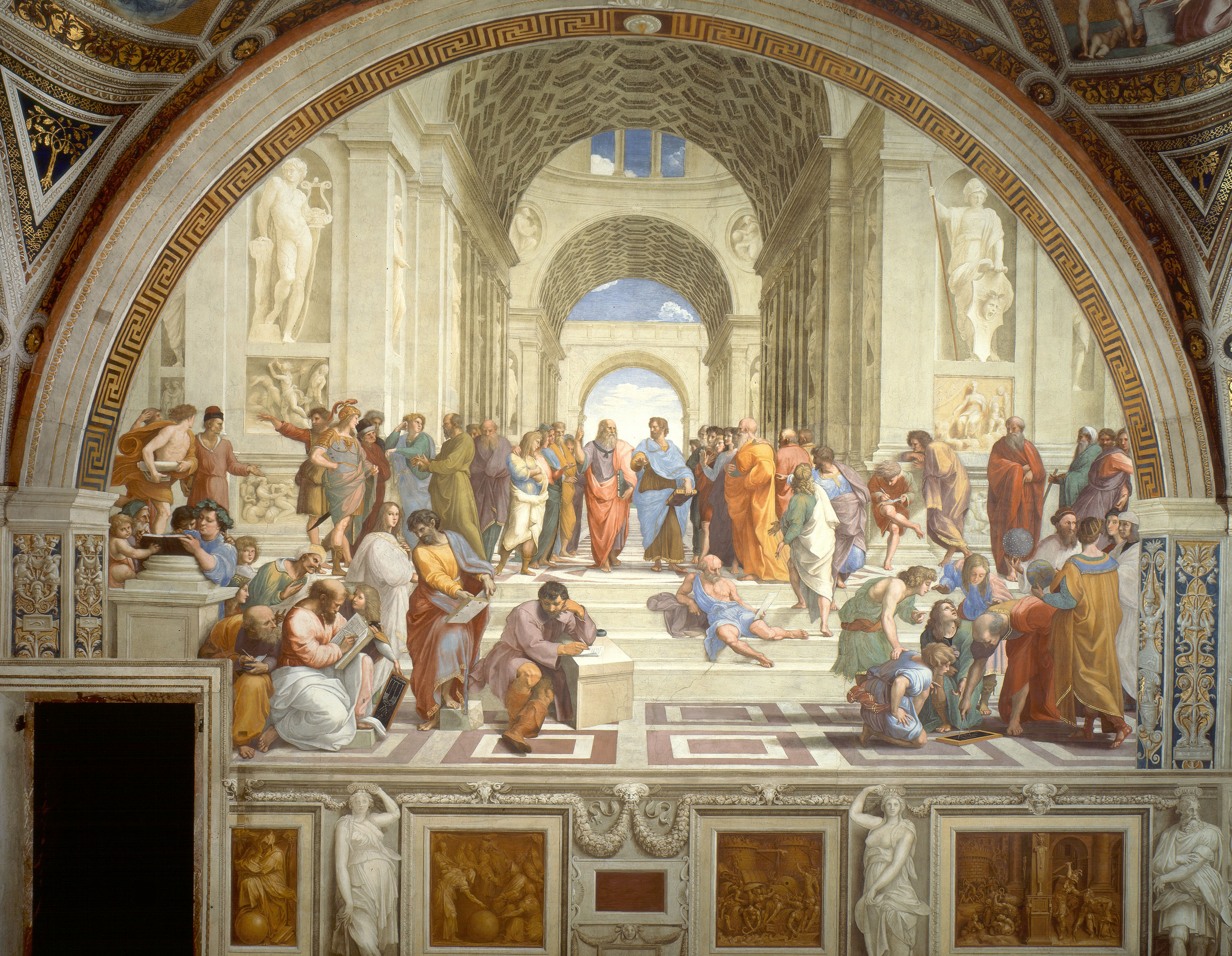
Justice and the Good Society: Plato, Aristotle and Ancient Greek Political Thought
What makes a person or political community just? This essay examines Plato’s philosopher-rulers and ordered soul alongside Aristotle’s accounts of virtue, practical wisdom, citizenship and the common good – while confronting the exclusions underpinning the ancient polis.
-
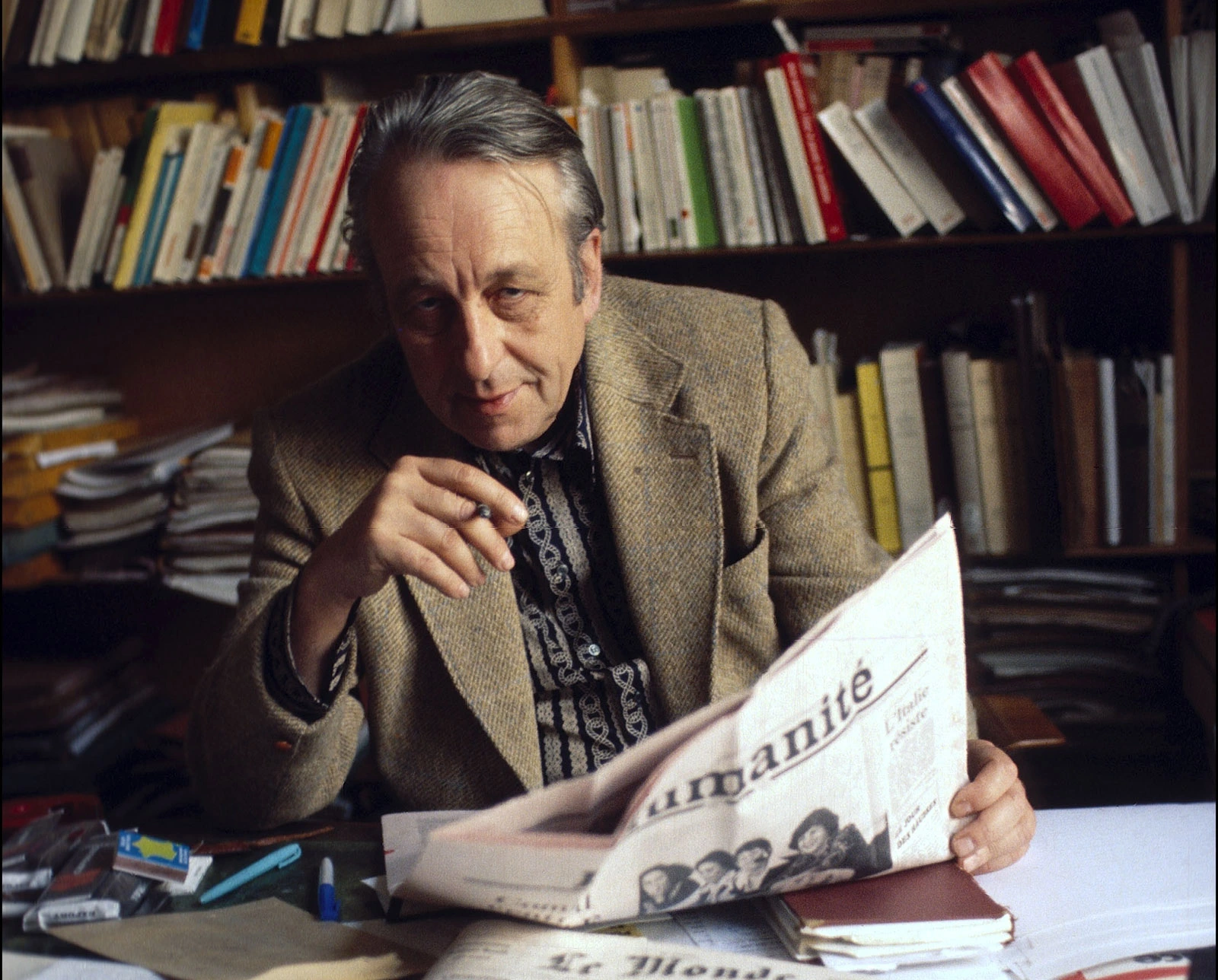
Louis Althusser: Ideology, Institutions and the Politics of Philosophy
Althusser transformed Marxist accounts of ideology by locating them in institutions, rituals and everyday practices. This essay explains structural causality, interpellation, state apparatuses and philosophy as political practice – alongside the major criticisms of his approach.
-
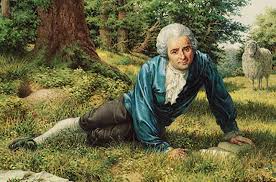
Rousseau: Freedom, Inequality and the Problem of Modern Society
Rousseau’s writings expose the tensions between freedom and dependence in modern society. This essay examines his critique of progress, account of inequality, general will, educational theory, gendered exclusions and contested political legacy.
-
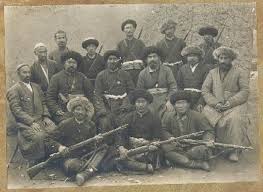
Empire after Empire? Soviet Rule, Decolonisation and the Politics of Collapse
Was the Soviet Union an anti-imperial federation, a new empire, or both? This essay examines nation-building, hierarchy, reform and the contested legacies of 1991.
-
Postcolonial Thought: Bhabha, the Global South and Cultural Boundaries
How postcolonial thinkers challenge inherited ideas of culture, development and belonging – from Bhabha’s boundaries to migration and the Global South.
-
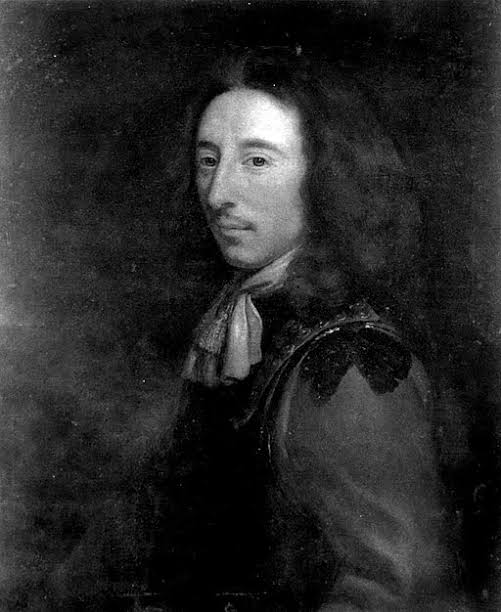
Writing Intellectual History: Context, Argument and the Problem of Myth
How intellectual historians reconstruct arguments in context, resist myths of coherence and explain why a revised interpretation of the past matters.
-
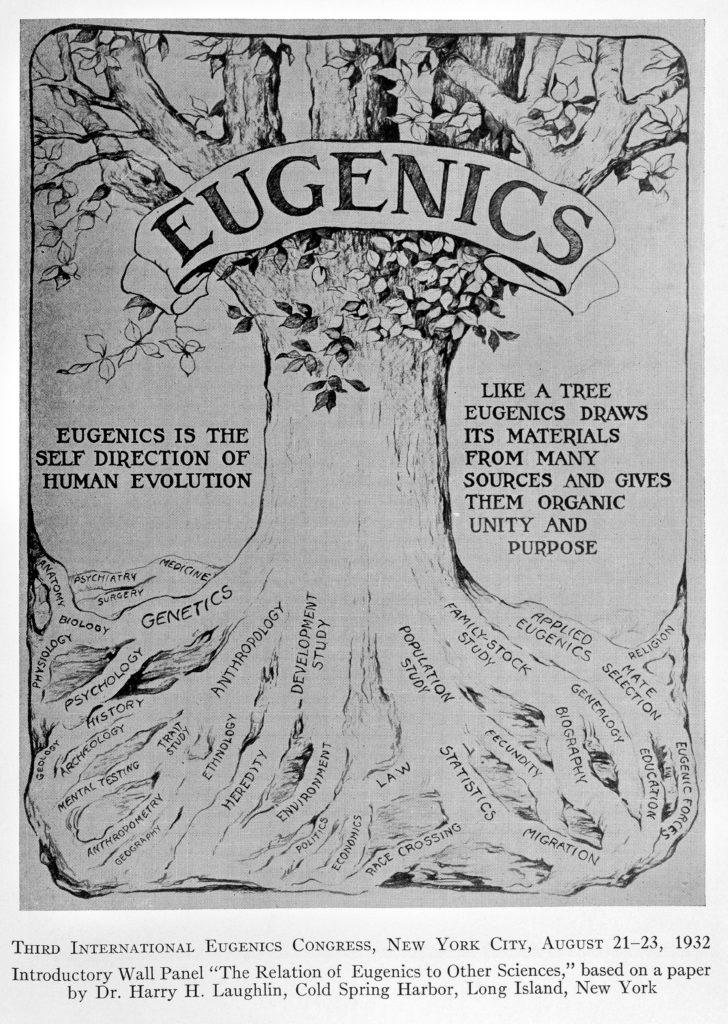
R. A. Fisher, Statistics and the Political History of Eugenics
R. A. Fisher helped transform statistics and genetics while advocating eugenics. This essay examines how scientific authority, heredity and social hierarchy became intertwined.