
Author: Samuel Woodall
-
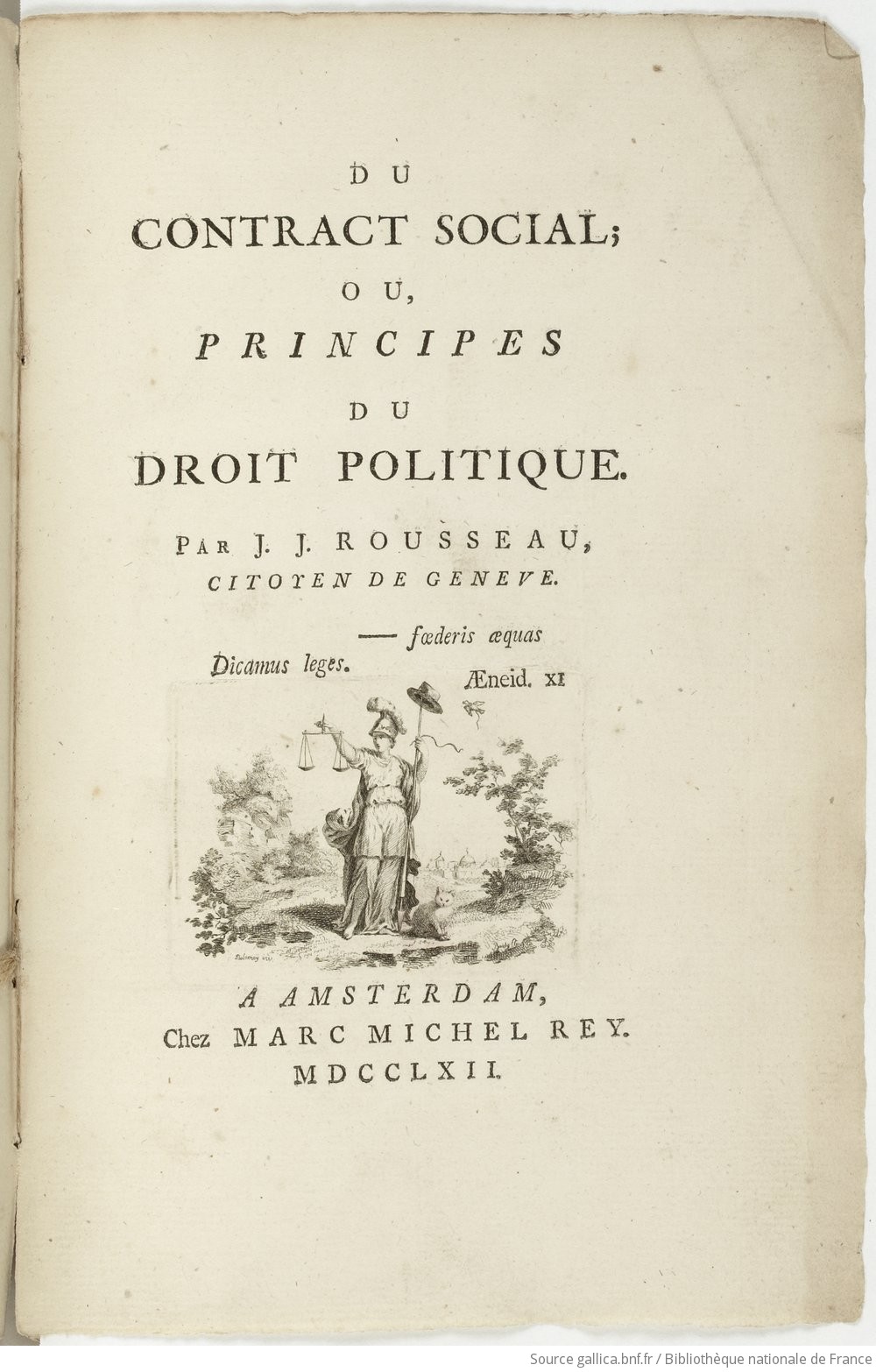
Can We Be Free Under Laws? Rousseau, Inequality and the General Will
Read Rousseau’s account of inequality alongside The Social Contract to examine dependence, citizenship and freedom under law.
-

Can We Tell the Truth About Ourselves? Rousseau and the Confessions
Rousseau’s Confessions makes sincerity a problem of memory, self-justification and the reader’s judgement.
-

Who Gets to Call Whom Barbarous? Montaigne on Custom and Cruelty
Montaigne on custom, cruelty and cultural judgement: Samuel Woodall and Jack Thomson ask who gets to call another society barbarous.
-

What Does an Intellectual Historian Actually Study? Methodology, Context, and Intentionality
What intellectual historians study, how contextualism works, and why texts are best understood as actions within historical debates.
-

How Should We Learn to Live and Die? Montaigne on Philosophy and Experience
Explore Montaigne on death, education and everyday experience with Samuel Woodall and Jack Thomson in the second Beyond the Text conversation.
-

Why Did Montaigne Make Himself His Subject?
Why did Montaigne write about himself? Explore his Essays, changing identity and self-knowledge with Samuel Woodall and Jack Thomson.
-
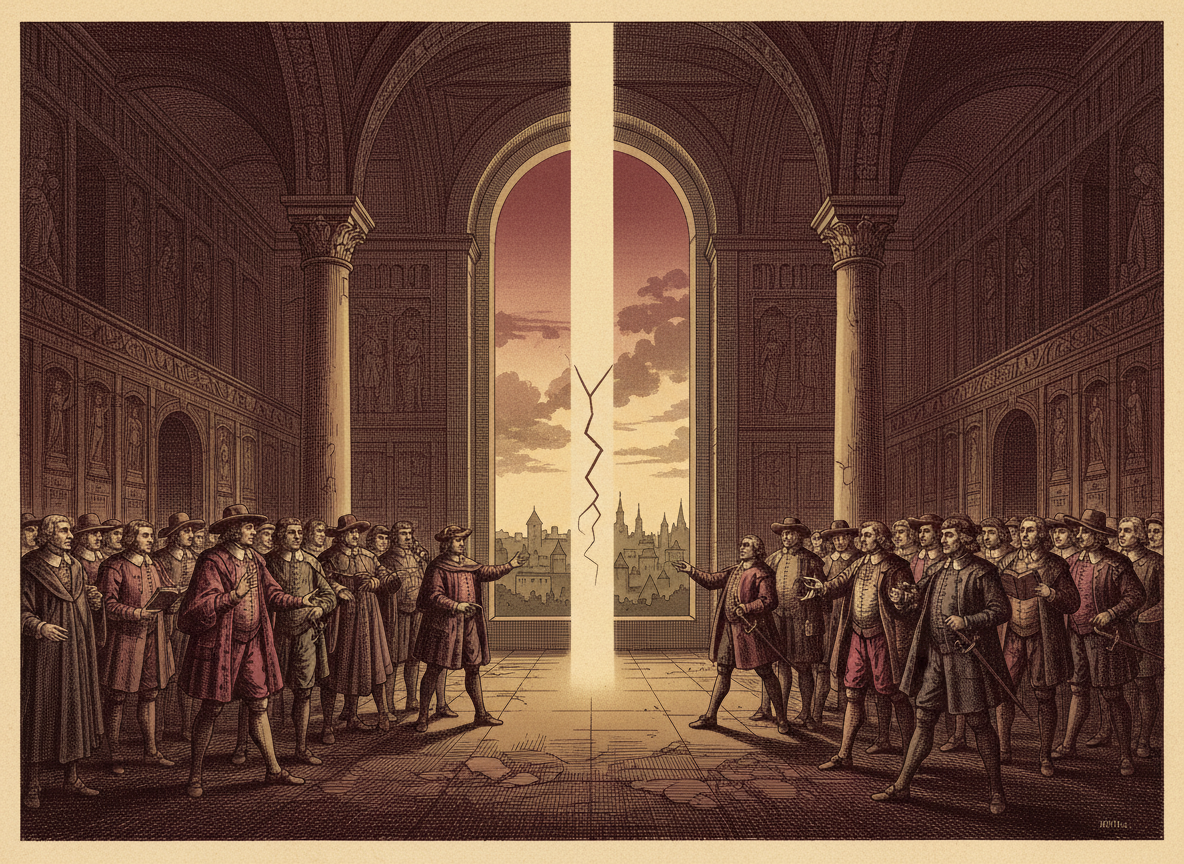
When Does Disagreement Become Faction? Hobbes on Political Division
The final episode in our Hobbes trilogy examines disagreement, faction and the forces Hobbes believed could dissolve a commonwealth.
-
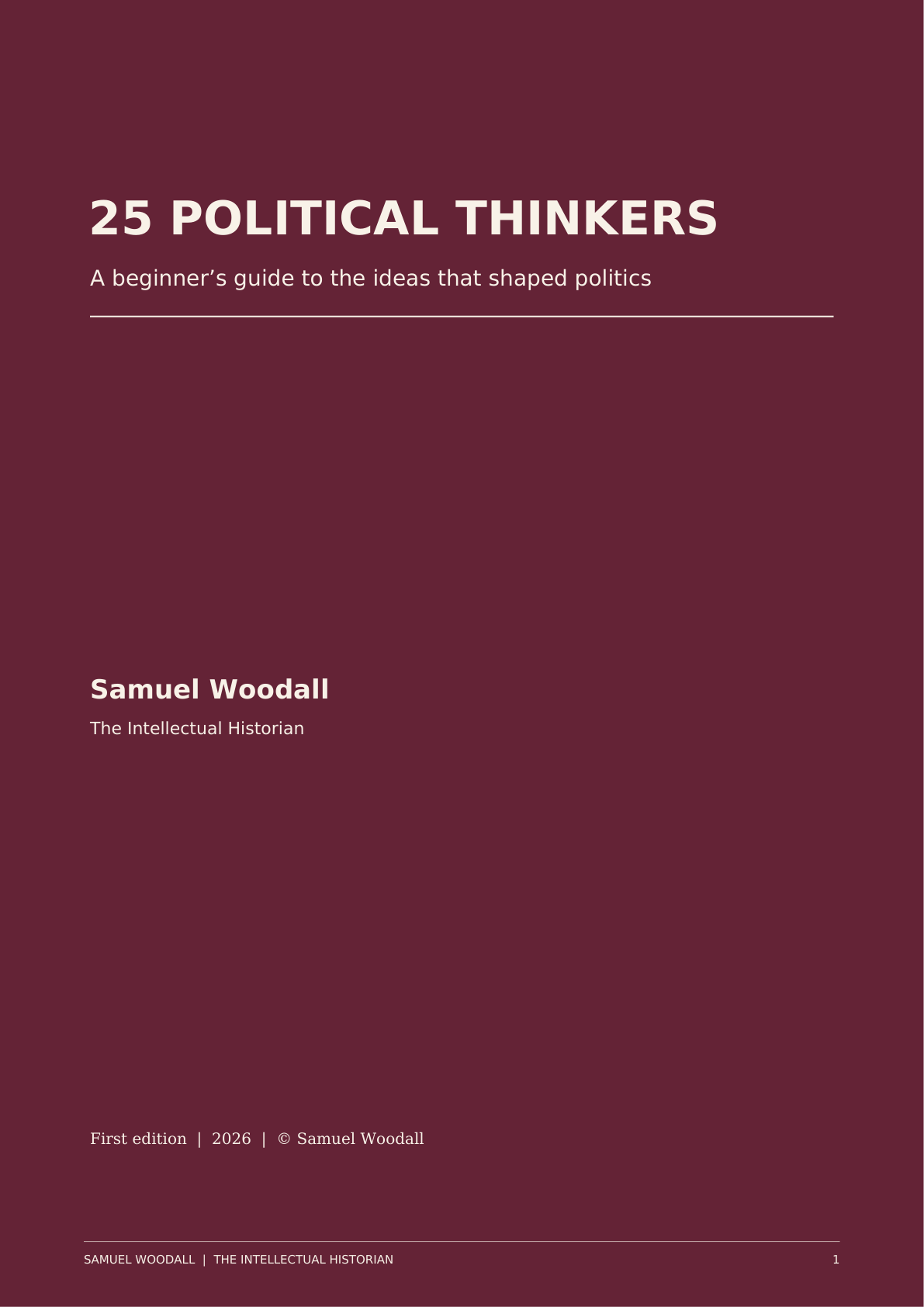
Introducing 25 Political Thinkers: A Beginner’s Guide
A free, illustrated 54-page guide to 25 political thinkers, with quotations, reading suggestions and questions to explore.
-
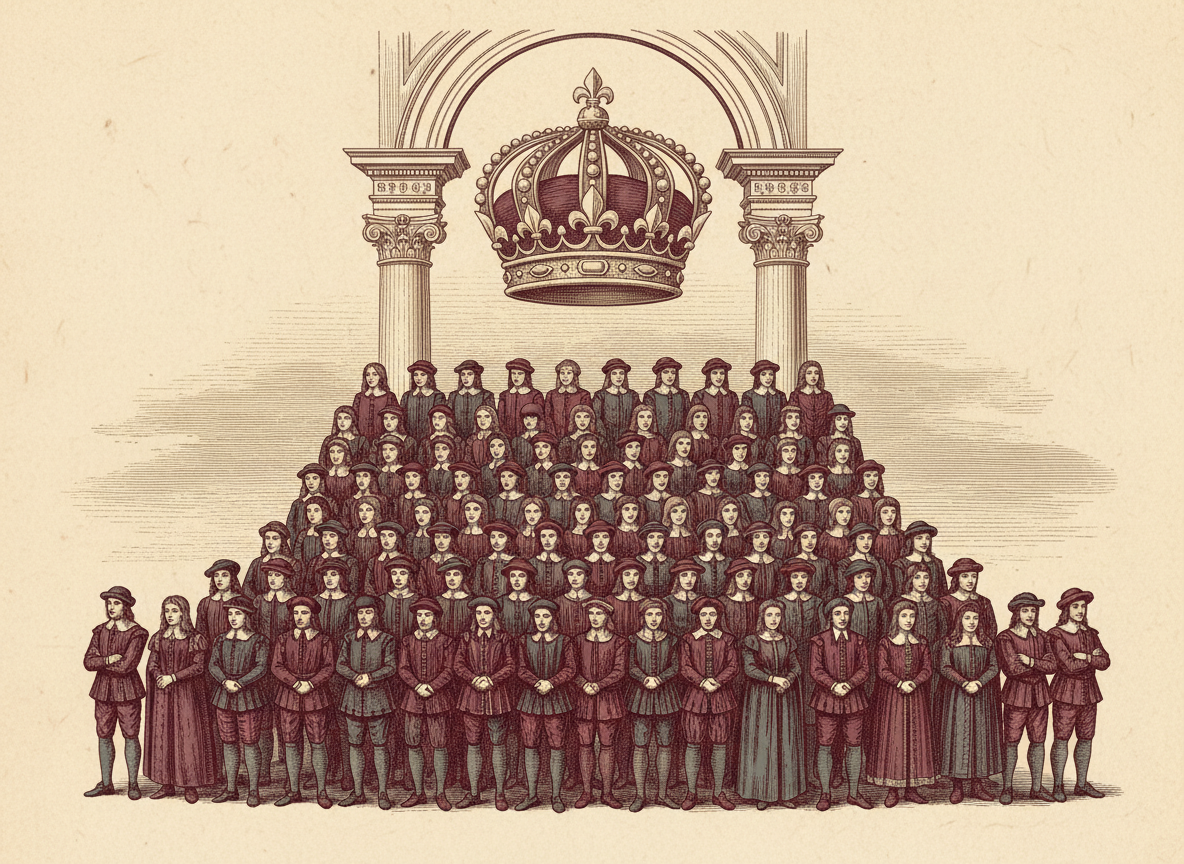
Why Should We Obey the State? Hobbes on Political Obligation
The second episode in our Hobbes trilogy examines covenant, authorisation, sovereignty and the reasons citizens owe obedience to the state.
-
Who Was Thomas Hobbes and What Was He Afraid Of?
The first episode in our Hobbes trilogy explores the life, civil-war context and political fear behind Leviathan.